
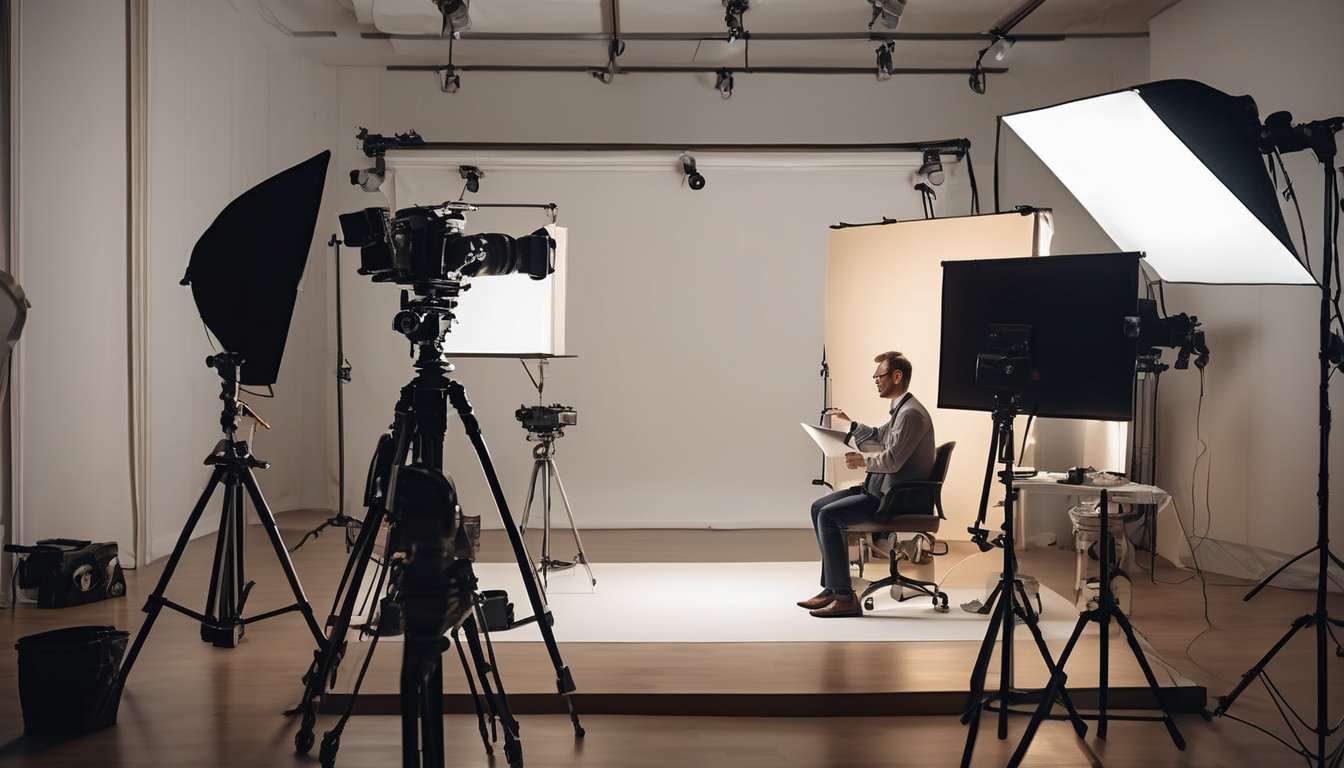
Some of our most productive insights have come from unlikely parallels between restaurant kitchens and adult photography studios.
We noticed that the flow of people, clarity of roles, and relentless attention to hygiene and timing in fine dining translate directly into smoother shoots, happier clients, and fewer compliance missteps.
By treating our studio like a service operation—mapping touchpoints, standardizing setups, and scheduling realistic buffers—we reduced downtime and improved the client experience.
Operational reviews revealed hidden bottlenecks: equipment storage tucked behind sets, fragmented consent documentation, and awkward handoffs between grooming and lighting teams.
When we applied simple process fixes borrowed from hospitality and manufacturing—checklists, shadowing shifts, and regular debriefs—we not only increased throughput but strengthened safety and trust.
This article explains how structured operational reviews can align creative practice with professional standards, helping adult photography studios run more efficiently, ethically, and sustainably.
Why Operational Reviews Matter
We conduct operational reviews to identify inefficiencies, ensure legal and safety compliance, and improve client experience and profitability.
We build a shared standard so every member feels included and accountable.
By examining studio workflows we:
- identify redundant steps that waste time and alienate team members,
- streamline processes so everyone knows their role,
- enable team members to contribute confidently.
We audit consent documentation to confirm it is:
- complete,
- accessible,
- consistently applied.
This protects participants and reinforces trust among staff.
We evaluate safety protocols to ensure physical, legal, and emotional safeguards are:
- practical,
- enforced,
- consistent.
Consistency makes the studio a place where people feel respected and secure.
Together, operational reviews turn individual efforts into collective strengths by:
- reducing risk,
- increasing reliability,
- aligning practices with shared standards.
When we commit to regular, focused reviews we create a culture where belonging, professionalism, and clear procedures support sustainable success.
Mapping Studio Workflows
We map every step of a shoot—from booking and pre-session communications to setup, shooting, and post-production—so we can spot bottlenecks, assign clear responsibilities, and standardize best practices.
- By documenting studio workflows visually and in checklists, we make expectations transparent and inclusive.
- This approach ensures every team member feels seen and supported.
We include consent documentation checkpoints in our maps, ensuring releases and model agreements are signed, archived, and revisited if session scope changes.
- That reduces legal and ethical risk and builds trust among collaborators.
- Consent practices foster a respectful workplace culture.
We embed safety protocols at each phase: location checks, privacy controls, health measures, and emergency contacts are non-negotiable nodes in the workflow.
- Location checks confirm site hazards and access needs.
- Privacy controls manage image use, storage, and on-set disclosure.
- Health measures cover on-set hygiene, PPE, and accommodations.
- Emergency contacts and response steps are clearly documented.
We run short walkthroughs with the team to validate the map, collect feedback, and iterate.
- Small, frequent reviews keep processes current.
- Iteration strengthens shared ownership and accountability.
Clear, mapped studio workflows help us deliver consistent client experiences while honoring consent, dignity, and safety for everyone involved.
Role Clarity and Scheduling
Every team member needs a clear role, set hours, and predictable scheduling.
This prevents overlaps, ensures coverage, and respects everyone’s time.
We define responsibilities for photographers, assistants, producers, and front-desk staff.
This way everyone knows when to step in and when to hand off.
Our schedules reflect agreed-on availability, rest breaks, and call-time windows.
This reduces last-minute stress and builds trust.
We align shift templates with mapped studio workflows.
This keeps sessions efficient and predictable.
We document who owns consent documentation tasks and when paperwork must be completed.
Tasks are assigned at booking and check-in so no one is left guessing.
We schedule routine briefings to review safety protocols and emergency contacts.
Briefings clarify role boundaries and avoid duplicated duties.
When coverage gaps appear, we offer equitable shift swaps and clear escalation paths.
This ensures people feel supported.
By standardizing roles and scheduling, we create a dependable environment.
Everyone belongs, contributes, and can plan their lives around meaningful, fair work.
Hygiene and Safety Protocols
We maintain strict hygiene and safety procedures that everyone follows before, during, and after every shoot.
We clean and sanitize equipment and surfaces according to documented studio workflows so expectations are clear and repeatable.
We schedule routine checks into our calendars, and we rotate responsibilities so no one bears all tasks alone.
We foster an environment where team members feel comfortable raising concerns; we listen, adjust, and thank contributors.
We train together on emergency responses, first aid basics, and use of safety equipment, and we rehearse scenarios to keep skills sharp.
We keep safety protocols visible and concise, integrating them into pre-shoot briefings and quick-reference guides.
We balance thoroughness with respect for privacy, and we store consent documentation securely without making it the only measure of safety.
We regularly review incidents and near-misses to improve systems, then share lessons in inclusive debriefs.
By aligning practical procedures with mutual respect, we build trust, reduce risk, and ensure everyone feels protected and valued in the studio.
Consent and Documentation Systems
We use clear, standardized consent forms and secure record-keeping practices so everyone knows what’s agreed, how long records are kept, and who can access them.
We build consent documentation into studio workflows so signing is a natural, respected step before any session.
- This consistency helps new team members and freelancers feel included and confident.
- It reassures collaborators that their boundaries matter.
We maintain encrypted digital files alongside limited-access physical backups, and we log every update with time stamps and responsible staff initials.
Our policies spell out retention periods, anonymization options, and procedures for responding to access requests, creating predictable expectations for everyone on the team.
We train staff regularly on safety protocols and the ethical use of materials, and we run quick audits to make sure consent records match session notes.
When problems arise, we have a transparent incident process so people are heard and protected.
These precise practices strengthen trust, keep our community safe, and make daily studio workflows more efficient and humane.
Equipment Storage Optimization
We organize and label equipment so teams can find, return, and maintain gear quickly and reliably.
We design storage zones by frequency of use, keeping essentials within reach and seasonal or backup items clearly marked.
Shelving, padded cases, and cable hooks reduce wear and speed setup, which smooths studio workflows and respects everyone’s time.
We keep a shared inventory that’s updated after every session so responsibility is visible and accountability feels communal, not punitive.
We integrate consent documentation and safety protocols into our storage routines:
- PPE, consent forms, and backup batteries live together in a readiness kit so nothing is overlooked during prep.
- Training on standardized checklists ensures everyone follows the same steps when removing or returning items.
- Equipment rotation for maintenance is scheduled based on usage logs.
When shelves are tidy and procedures are shared, trust grows and stress shrinks.
That sense of belonging helps us care for gear and each other, ensuring shoots run reliably and safely every time.
Debriefs and Continuous Improvement
We hold brief, structured debriefs after every shoot so we can quickly capture what worked, what didn’t, and specific actions for improvement.
We invite everyone who participated to speak, and we create a safe space where feedback is constructive and focused on processes, not people.
We review studio workflows step-by-step, noting bottlenecks and redundant steps that slow us down.
We check consent documentation for completeness and clarity, confirming any updates needed to forms or briefing scripts so subjects feel respected and informed.
We audit safety protocols, making sure emergency procedures, equipment checks, and privacy measures were followed and are easy to access during shoots.
We assign clear owners for each action item, set realistic deadlines, and log changes in a shared operations file so the whole team can see progress.
We iterate quickly—small, measurable adjustments build trust, keep standards high, and reinforce that everyone’s input matters to continuous improvement.
Measuring Performance Gains
Measurement metrics and baseline comparison
To measure performance gains, we track a few clear metrics—turnaround time, error rates, client satisfaction, and compliance—and compare them against our baseline after each change.
We gather data from booking to delivery so everyone on the team feels included in improvement.
We use objective timestamps and short post-session surveys to quantify progress.
Identifying and logging issues
We map studio workflows to spot bottlenecks.
We log incomplete consent documentation and deviations from safety protocols so specific problems are visible and actionable.
Transparent reporting and team engagement
When a metric nudges in the right direction, we celebrate as a unit; when it doesn’t, we troubleshoot together.
We prioritize transparent reporting by sharing dashboards that show how small workflow shifts reduce errors or speed delivery.
Linking improvements to operations and sustaining gains
We tie improvements back to specific operational reviews so people see their contributions matter.
Consistent measurement helps sustain gains and strengthens our shared commitment to professional standards, client respect, and a safer, more efficient studio environment.
How can small studios with very limited budgets conduct meaningful operational reviews without hiring external consultants?
We can run meaningful operational reviews on tight budgets by pooling our team’s skills, setting clear goals, and using simple tools.
We’ll hold short, regular meetings to map workflows, note pain points, and prioritize fixes.
We’ll gather anonymous staff and client feedback, track basic metrics in spreadsheets, and test low-cost changes quickly.
We’ll celebrate small wins, document lessons, and iterate together to build a stronger, more inclusive studio.
What steps should be taken if an operational review reveals ongoing noncompliance with consent documentation by a senior staff member?
Direct answer to the Current Question: If an operational review shows a senior staff member repeatedly failing to document consent, we act promptly and compassionately.
Gather evidence and fact-find.
- Collect audit logs, patient/client records, and relevant communications.
- Confirm dates, frequency, and patterns of missing documentation.
Meet privately and listen.
- Hold a confidential meeting with the staff member.
- Hear their explanation, identify barriers, and assess intent or understanding.
Enforce policies consistently.
- Apply the organization’s disciplinary framework proportionate to the findings.
- Reassign duties temporarily if immediate risk to clients exists.
- Escalate to HR and/or legal counsel when required.
Provide remediation and clearer procedures.
- Offer targeted retraining on consent processes and documentation standards.
- Update or clarify workflows, checklists, and supervisory oversight to prevent recurrence.
Support affected clients and document actions.
- Notify and support clients who may have been impacted, following privacy and legal requirements.
- Record all investigative steps and decisions in the personnel and compliance files.
Protect trust and mitigate risk.
- Engage HR and legal counsel to ensure fair process and regulatory compliance.
- Monitor for improvement and audit documentation regularly to restore and maintain trust.
How do operational reviews address accessibility needs for models/clients with disabilities beyond standard hygiene and safety protocols?
We examine how operational reviews address accessibility needs for models and clients with disabilities.
Focus: practical, respectful adjustments beyond hygiene and safety.
We identify barriers by:
- Consulting directly with affected individuals.
- Auditing physical spaces, communication methods, scheduling, and equipment.
We implement accommodations by:
- Providing reasonable physical, communication, and scheduling adjustments.
- Ensuring accessible equipment and workspace layouts.
- Offering alternative formats (e.g., print, digital, assistive tech) as needed.
We train staff in inclusive practices.
We track outcomes and adjust policies based on feedback.
Goal: ensure dignity, autonomy, and a sense of belonging for everyone who uses our studio.
Conclusion
You’ve seen how operational reviews sharpen every part of your studio — from mapped workflows and clear roles to strict hygiene, consent systems, and smart equipment storage.
When you schedule debriefs and track measurable gains, you’ll reduce errors, boost safety, and improve client experience.
Make reviews a routine: act on findings, update protocols, and involve your team.
Over time, these small, deliberate changes will raise quality, efficiency, and trust in your studio’s services.