
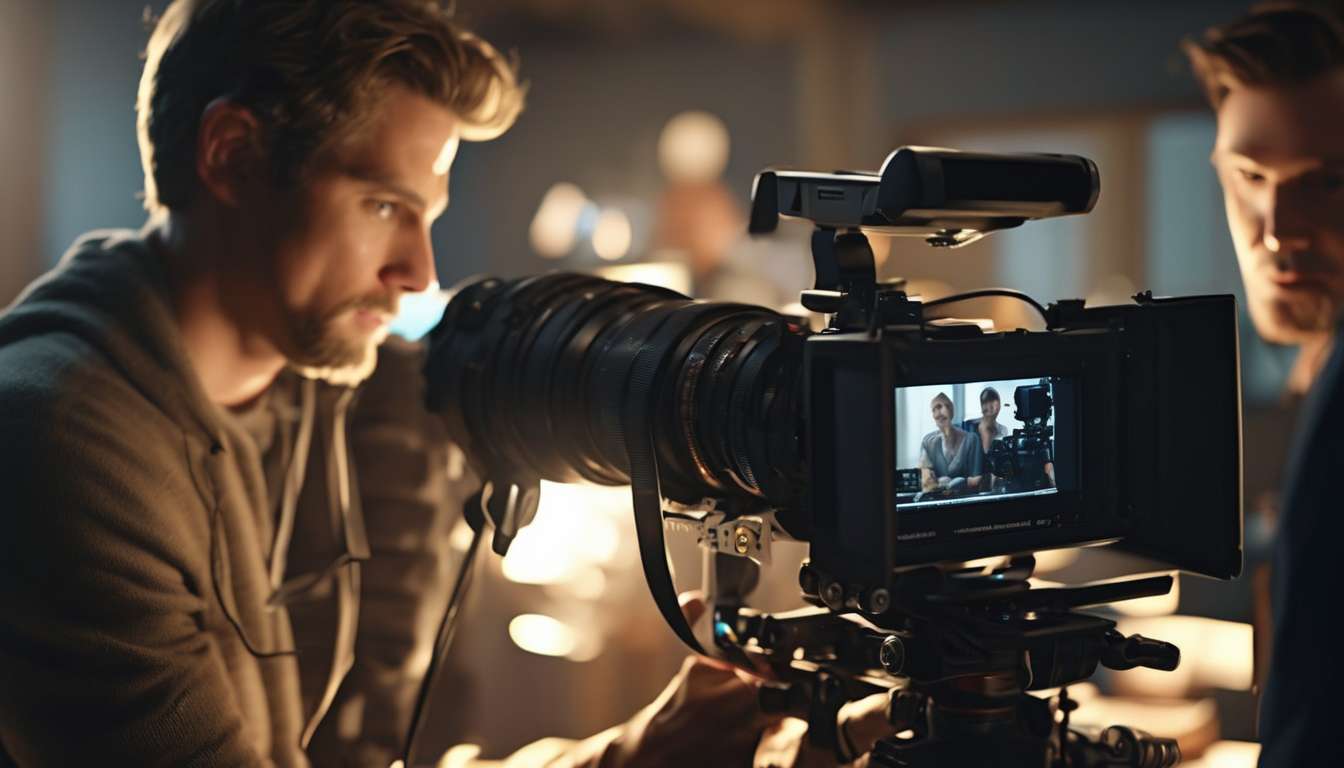
Just because photography education often targets young students, we insist on reimagining who benefits from structured training.
We believe adult production teams bring invaluable life experience, yet frequently lack cohesive programs tailored to collaborative, professional workflows.
Focused training bridges gaps between technical skill and team dynamics, boosting efficiency, creativity, and job satisfaction.
Curriculum principles for adult production teams:
- Respect adults’ time constraints — design short, high-impact sessions; offer flexible scheduling and on-demand resources.
- Leverage peer learning — use peer review, co-teaching, and collaborative problem-solving to tap existing expertise.
- Emphasize real-world production challenges — cover scheduling, client communication, and on-set problem solving through scenario-based exercises.
Preferred instructional methods:
- Hands-on modules — practical exercises that mirror typical shoots.
- Mentorship — pair junior staff with experienced crew for shadowing and guided feedback.
- Cross-disciplinary sessions — integrate lighting, post-production, and project management to build holistic understanding.
We refuse to accept fragmented skill sets or ad-hoc onboarding as inevitable costs of mature crews.
Investing in organized training yields measurable benefits:
- Elevates image quality through consistent technical standards.
- Strengthens retention by demonstrating employer investment in careers.
- Broadens career pathways via documented competencies and internal mobility.
We present practical strategies and case studies showing how customized programs transform adult photography production teams into resilient, high-performing units.
Why Adult Teams Matter
We build adult photography teams because they bring diverse skills, experience, and perspectives that improve image quality, workflow, and client satisfaction.
We value inclusive collaboration so every member feels they belong and can contribute.
By investing in adult production training, we make sure technicians, stylists, and creatives speak the same visual language and meet standards consistently.
Our hands-on module design centers on real tasks—lighting setups, camera operation, on-set etiquette—so learning is practical and directly applicable.
We pair structured lessons with mentorship and shadowing opportunities, letting newer teammates learn craft and culture from experienced colleagues while feeling supported.
That combination accelerates competence, reduces errors, and builds collective confidence.
We set clear roles and feedback loops so everyone knows how they fit into production goals, and we celebrate small wins to reinforce belonging.
Ultimately, well-trained adult teams deliver higher-quality shoots, smoother schedules, and stronger client relationships because we train together, learn together, and trust one another to do excellent work.
Training Program Principles
We prioritize clear, measurable principles that guide curriculum design, assessment, and on-set behavior.
Key points:
- Clear, measurable principles ensure every team member knows what’s expected and how we’ll get there.
- These principles inform curriculum design, assessment methods, and on-set behavior standards.
We center adult production training on relevance, safety, and mutual respect.
Key points:
- Training is anchored in relevance to real production needs so learners feel valued and ready to contribute.
- Safety and mutual respect are non-negotiable foundations for learning and working.
We set specific learning objectives, tie them to real shoot outcomes, and use competency-based checkpoints to track progress.
Steps:
- Define specific, observable learning objectives.
- Map each objective to real shoot outcomes.
- Implement competency-based checkpoints to measure and document progress.
We design hands-on modules around real tasks—lighting setups, camera operation, and consent-focused direction—so skills transfer immediately.
Key points:
- Hands-on modules focus on practical, task-based skills for immediate application.
- Consent-focused direction is integrated to ensure respectful, professional interactions on set.
We balance theory with practice and keep sessions concise to respect lives outside work.
Guidelines:
- Deliver essential theory in short, focused segments.
- Prioritize practice and application during sessions.
- Keep session length considerate of participants’ outside commitments.
We cultivate mentorship and shadowing as core practices: experienced crew coach newcomers, provide feedback loops, and create shared reflection moments that build trust.
Steps:
- Pair newcomers with experienced crew for shadowing and coaching.
- Establish regular feedback loops (peer and mentor).
- Schedule shared reflection moments to reinforce learning and trust.
We measure success with observable behaviors, peer assessments, and post-shoot debriefs, and we iterate curriculum from that data.
Process:
- Collect data via observable behavior checklists and peer assessments.
- Conduct post-shoot debriefs to surface lessons learned.
- Use collected data to iterate and improve curriculum continuously.
We commit to inclusive language, transparent expectations, and pathways for advancement so everyone knows they belong and can grow within our production teams.
Key points:
- Use inclusive language and clearly communicated expectations.
- Provide transparent pathways for skill development and career advancement.
Scheduling for Busy Crews
We prioritize scheduling that minimizes conflict with crew members’ lives, maximizes on-set learning time, and keeps productions running smoothly.
- We coordinate with everyone to set predictable blocks that respect outside commitments, so members feel seen and included.
- Our rostering balances core instruction with flexible shifts, blending adult production training sessions into regular call times to reduce extra travel and stress.
We design hands-on module work as short, repeatable units that fit into prep, shoot, and wrap windows.
- That way learning is immediate and applicable.
- Modules are timed to be completed within natural production windows to avoid adding extra hours.
We rotate leads thoughtfully to create mentorship and shadowing opportunities without overburdening any one person.
- Rotation ensures exposure to different roles and reduces single-person dependency.
- Shadowing is scheduled within the day’s plan so it feels natural and integrated.
We use shared calendars, clear fallback plans, and transparent criteria for overtime and rescheduling to build trust and fairness.
- Shared calendars keep everyone aligned on calls, training, and changes.
- Fallback plans and transparent rules for overtime/rescheduling reduce confusion and perceived unfairness.
By committing to realistic schedules and frequent check-ins, we keep teams connected, reduce turnover, and ensure training happens on set without sidelining life outside work.
- Regular check-ins surface issues early and allow adjustments.
- Realistic planning balances production needs with personal lives, improving retention and learning outcomes.
Peer-Based Learning Models
We pair crew members to teach and learn from each other on set.
- This creates structured peer-feedback loops that accelerate skill transfer while keeping production moving.
- Peer-based learning ensures everyone feels seen, valued, and responsible for shared outcomes.
- In adult production training, peers rotate roles for short runs, give focused critiques, and celebrate improvements, which deepens trust and belonging.
We formalize mentorship and shadowing within those rotations.
- Experienced crew guide less-experienced colleagues during real tasks, then step back for reflection.
- We set clear expectations for feedback timing, tone, and measurable goals so feedback stays constructive and actionable.
- We track progress with simple checklists and quick debriefs that respect busy schedules.
We prioritize concise demonstrations and immediate practice over long theory sessions on set.
- Avoid lengthy classroom-style training during production hours.
- Embed peer-led teaching into daily workflows so learning is collaborative and continuous.
The results:
- Increased team cohesion.
- Higher competence across roles.
- A culture of learning directly tied to production success.
Hands-On Module Design
Design concise, task-focused modules.
We create modules that let crew members practice key skills in controlled, time-boxed exercises tied directly to on-set responsibilities.
Objectives, tasks, and measurable outcomes.
- Define clear objectives for each module so every participant knows what success looks like.
- Provide step-by-step tasks and measurable outcomes to guide practice and evaluation.
Short, realistic drills for complex workflows.
We break complex workflows into short drills that mirror real shoot pressures without overwhelming newcomers, for example:
- Lighting setups
- Rapid camera swaps
- Continuity checks
Small cohorts and role rotation.
- Keep cohorts small to build trust and belonging.
- Rotate roles so everyone gains exposure and confidence.
Brief debriefs and targeted follow-ups.
Each module includes brief debriefs where we give specific feedback and set targeted follow-ups to reinforce learning.
Practical assessment and iterative adjustment.
- Observe task completion and note error patterns.
- Use observations to adjust future sessions and close skill gaps.
Priorities: relevance, repetition, and safety.
Our hands-on module design prioritizes relevance, repetition, and safety to ensure skills transfer smoothly to live shoots.
Integration with mentorship and shadowing.
We coordinate these modules with broader mentorship and shadowing frameworks to sequence learning, while keeping the modules focused, repeatable, and immediately useful to the team.
Mentorship and Shadowing
We’ll pair each crew member with an experienced mentor and structured shadowing opportunities.
Purpose: Ensure learners get guided, on-set practice and timely feedback so everyone feels welcomed, seen, and supported as they grow.
How it works:
- Mentors share realistic expectations, review setups, and model communication.
- Shadowing reinforces skills learned in our hands-on module design.
- We schedule short, focused rotations that let trainees practice lighting, composition, and workflow under supervision.
- Trainees reflect with their mentor immediately after takes.
Clear roles and actionable feedback
- Feedback format: what went well, what to adjust, and specific next steps.
- Tiered mentor responsibilities: more advanced crew coach newer members to strengthen team bonds and collective competency.
Outcomes
- Accelerated confidence.
- Reduced errors on set.
- Each person’s contribution becomes visible and valued.
Summary: By embedding mentorship and shadowing into our curriculum, growth becomes practical, relational, and directly tied to the real work of production.
Cross-Disciplinary Integration
Integrated cross-department training
We’ll integrate skills across departments so photographers, stylists, and assistants learn to collaborate, anticipate each other’s needs, and solve on-set problems together.
Shared curriculum
We create a shared curriculum that blends adult production training with cross-role exercises, ensuring everyone feels included and valued.
Hands-on module design
Our hands-on module design puts mixed teams into real scenarios—lighting adjustments, wardrobe fixes, and time-sensitive setups—so members practice communication and role flexibility.
Mentorship and shadowing
We emphasize mentorship and shadowing as core components: experienced crew guide newcomers through integrated tasks, then step back as peers rotate roles. This builds mutual respect and flattens hierarchical barriers, so learning is communal rather than siloed.
Session objectives, measurement, and adaptation
We set clear objectives for each session, measure skill transfer through observed teamwork, and adapt modules to address gaps quickly.
Outcomes
By centering belonging, practical collaboration, and concise feedback loops, we ensure our training not only improves technical outcomes but also strengthens team cohesion, making every production smoother and more supportive.
Measuring Program Impact
We will measure program impact using clear metrics, regular assessments, and participant feedback.
Baseline and short-cycle assessments
- We set baseline assessments in adult production training to capture existing competencies.
- We apply short-cycle evaluations after hands-on module design sessions to quantify learning.
Peer and mentor observations
- We collect peer and mentor observations to assess teamwork and workflow changes.
- These observations make everyone’s contribution visible and valued.
Core quantitative indicators
- Retention
- Task completion time
- Error rates
- Self-efficacy scales
Qualitative indicators
- Narratives from mentorship and shadowing experiences that reveal culture shifts.
Regular data interpretation
- We run quarterly reviews with trainees and facilitators to interpret data together.
- These reviews ensure findings inform iterative improvements.
Reporting and engagement
- When we share results, we highlight collective progress and practical adjustments.
- This fosters belonging and continued engagement.
Alignment and accountability
- By aligning metrics with real production goals and lived experiences, the program is accountable, adaptable, and centered on the people who make our photography teams succeed.
What legal and regulatory considerations (e.g., age verification, consent documentation, record-keeping) should production teams implement before and during training that aren’t covered in the listed sections?
We’re asking what extra legal safeguards we should add before and during training.
Proposed safeguards:
1. Rigorous age verification
- Implement multi-factor ID checks (e.g., government ID + biometric or video verification).
- Maintain documented verification results in access-controlled records.
2. Documented informed consent
- Use plain-language consent forms that clearly explain purpose, risks, rights, and withdrawal procedures.
- Ensure consent is recorded and timestamped before participation.
3. Secure record-keeping
- Store all records in access-controlled, encrypted systems.
- Implement role-based access and audit logs for all access to sensitive records.
4. Regular legal audits
- Schedule periodic reviews by qualified counsel to ensure compliance with evolving laws and regulations.
- Document findings and track remediation of any issues.
5. Mandatory reporting procedures
- Establish clear procedures for reporting suspected violations, with designated reporting channels and protections against retaliation.
- Define timelines and responsibilities for escalation.
6. Confidentiality and data-retention policies
- Create clear policies specifying what data is retained, retention periods, and secure deletion processes.
- Communicate confidentiality limits to participants in writing.
7. Training on local laws
- Provide mandatory training for staff on local obscenity, labor, and related laws relevant to the training activities.
- Update training materials when laws change.
8. Background checks
- Implement background checks for staff and contractors where appropriate, consistent with local legal requirements and privacy norms.
9. Incident logs and corrective actions
- Maintain detailed incident logs with timestamps, actions taken, and outcomes.
- Require timely corrective actions and follow-up reviews to prevent recurrence.
10. Ongoing monitoring and continuous improvement
- Monitor implementation effectiveness and adjust safeguards based on audits, incidents, and legal updates.
Summary: Combine robust verification, documented consent, secure records, legal oversight, clear reporting and retention rules, targeted training, background screening, and thorough incident management to protect all participants before and during training.
How should teams budget for training programs—including equipment, location rentals, instructor fees, and contingency funds—and what cost-saving strategies work well for adult photography production?
We’ll itemize costs for equipment, locations, instructors, permits, and a 10–15% contingency.
We’ll allocate monthly or per-session budgets.
We’ll negotiate bundled instructor rates, share gear, use off-peak location discounts, and cross-train staff to reduce hires.
We’ll track expenses in a shared spreadsheet and review ROI quarterly.
We’ll prioritize essential safety and compliance spending.
We’ll pursue sponsorships, in-kind trades, and group bookings to stretch the budget.
What insurance, liability protections, or contractual clauses are recommended for trainees, mentors, and freelancers participating in hands-on exercises or shoots?
Trainees, mentors, and freelancers working on hands-on shoots should have clear, tailored protections covering insurance, liability, and contractual terms.
Insurance: Require general liability to cover bodily injury and property damage on set, and professional indemnity (errors & omissions) to protect against negligence or professional advice claims. Specify minimum policy limits and require a certificate of insurance naming the hiring party as an additional insured where appropriate.
Participant waivers and releases: Use participant waivers for trainees/volunteers to acknowledge risks and release certain claims, and obtain model and property releases for anyone or private property appearing in images or footage so usage rights are unambiguous.
Scope, payment, and IP clauses: Include a clear scope of work describing deliverables, roles, and supervision levels; a payment schedule with milestones, late fees, and invoicing requirements; and explicit intellectual property (IP) ownership and licensing terms stating who owns final assets and what usage rights (exclusive/non‑exclusive, territory, duration, sublicensing) each party has.
Usage, distribution, and rights: Define photo/video usage rights and distribution terms — permitted platforms, editorial vs commercial use, crediting, and approval processes for third‑party distribution or monetization.
Confidentiality and non‑compete limits: Include confidentiality (NDA) provisions for trade secrets and sensitive materials, and if using non‑compete or non‑solicit clauses, limit their scope and duration to what is reasonable and enforceable under local law.
Health and safety protocols: Set health and safety requirements (PPE, supervision ratios, incident reporting, COVID‑19 or other health precautions) and specify who is responsible for compliance and onsite safety officers, if any.
Indemnification and liability caps: Use mutual or one‑way indemnification clauses to allocate risk for third‑party claims, and include capped liability (e.g., limited to fees paid or a specified dollar amount) and carve‑outs for gross negligence or willful misconduct where insurers commonly won’t cover.
Certificate and evidence requirements: Require parties to provide current certificates of insurance and notify others of cancellations or material changes within a stated timeframe.
Dispute resolution: Add dispute‑resolution procedures — negotiation, mediation or arbitration clauses, governing law, and venue — to reduce litigation costs and clarify how conflicts will be handled.
Practical checklist for contracts and shoots:
- Define roles, deliverables, timelines, and supervision level.
- Specify required insurance types, minimum limits, and COI naming requirements.
- Attach model/property release and participant waiver templates.
- Set IP ownership and detailed licensing rights.
- Spell out payment terms, expenses, and liability caps.
- Include confidentiality terms and reasonably limited non‑compete/non‑solicit language.
- Document health, safety, and incident procedures.
- Provide indemnity allocation and exceptions.
- State dispute resolution method and governing law.
- Require periodic proof of insurance and contract compliance.
If you’d like, I can draft short sample contract clauses (insurance, waiver, IP, indemnity, COI language, and a dispute‑resolution clause) tailored to your jurisdiction or the role (trainee vs mentor vs freelancer).
Conclusion
You’ve seen how strong training programs uplift adult photography production teams by addressing scheduling, peer learning, hands-on practice, mentorship, and cross-disciplinary skills.
By applying these principles, you’ll improve workflow, boost morale, and raise technical and creative standards across your crew.
Measure impact with clear metrics, adapt based on feedback, and keep learning iterative—so your team stays resilient, efficient, and ready to produce consistently higher-quality work while fostering professional growth and collaboration.